
By Mike Raley
I can vividly remember visiting Sunset Nursery in Rocky Mount with my mother, from my pre-teen years well up into my 40s. She was not an avid gardener, but she so enjoyed her camellias, azaleas, and annuals. Pansies were her favorite, and we made a yearly pilgrimage on a fall day to “Sunset” for a couple of flats of the colorful, velvety, “big-faced” flowers. When I was older, I married the best girl in the world, and during our wedding she carried a bouquet of pansies. They are among her favorites too.
Pansies prefer cool weather, and in the old days they were planted in September. You can still find plenty of pansies for sale then, but these days they are happier if you wait and plant in October or November here in central and eastern North Carolina. Otherwise, they are more prone to disease and insect problems. They definitely don’t like our hot weather. Remember how they look in May and June as the temperatures heat up? They start to wither.
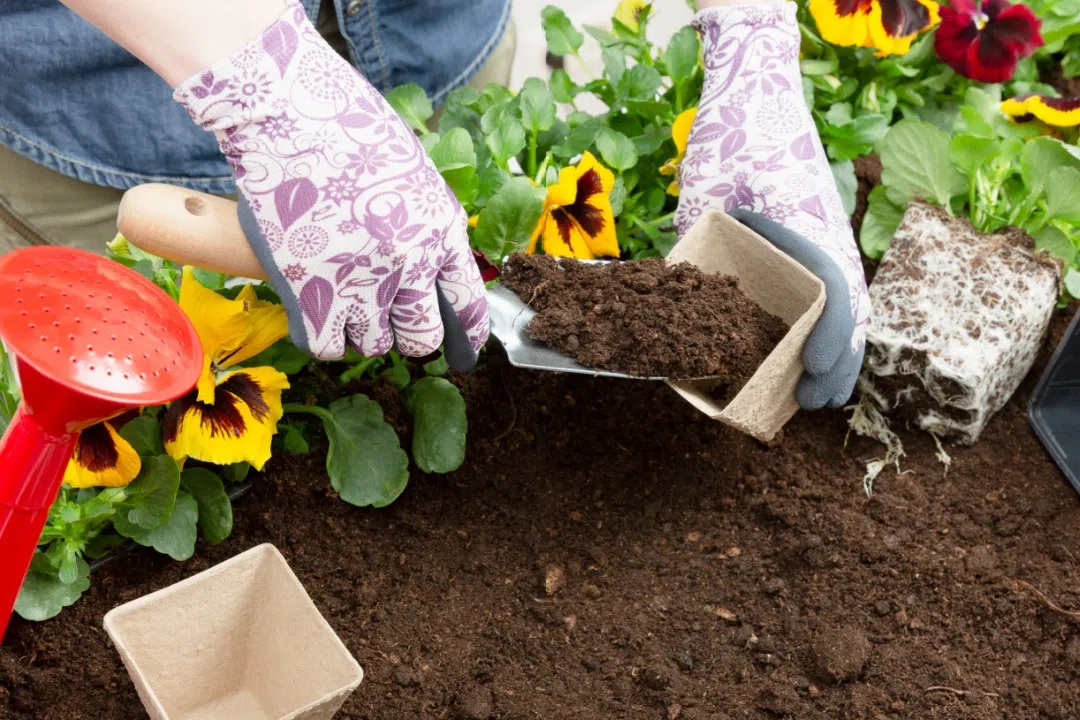
I’ve always thought pansies can be a bit hard to care for sometimes. To get the best out of these beauties, plant them in full sun and in an area that has good drainage. If you see a bed of pansies placed in a commercial development by a professional, they are planted in mass and in beds where the soil is built up for extra good drainage. Many people prefer planting pansies in containers. No problem! Find some good quality soil mix that will allow the water to drain properly. That goes for the pot too. I would mass them in the container as well and have fun mixing colors, as there are so many to choose from.
They do need water for those fall and winter warm spells, but easy does it. Water in the morning instead of the afternoon, and if there has been a lot of rain recently, maybe less than an inch of rain during the week. If the top inch of soil is dry, you need to water. But if you overwater, you will bring on fungal diseases and root rot. Don’t do that, please!
If you are serious about your plants, you should occasionally get a soil test. Our soil in the Triangle is generally fairly acidic. According to my friends at NC State, pansies like a 5.4 to 5.8 pH. Anne Clapp and Phil Campbell tell us to use a little blood meal to mix into the soil when your pansies are planted. Some of our listeners say blood meal repels rabbits but attracts dogs. The dog reference is definitely true, but I can’t guarantee the rabbit deal. In general, a low-nitrogen slow-release fertilizer will work well. Some experts recommend a water-soluble liquid fertilizer, but not when the plants and soil are wet. At any rate, use some good organic matter mixed into the soil, like Black Kow or Daddy Pete’s.
Phil Campbell says you can’t just leave spent blooms on pansies. You have to work to have an attractive pansy bed. Taking a small pair of scissors or some sharp fingernails, clip or pinch off the spent bloom at the bottom of the stem and discard. This will also protect the new flowers from disease and insects. Stay ahead of the fading flowers to make way for the new ones. Speaking of diseases and insects, you might occasionally have a slug or snail or two around, maybe a spider mite, some mildew, leaf spot, and such.
There are numerous varieties of pansies available in North Carolina, from “big face” to the self-seeding viola or “Johnny Jump-Ups.”
Remember, if you care for your pansies properly (listen to Phil Campbell), they will give you months instead of weeks of striking fall, winter, and early spring color in the landscape or container.